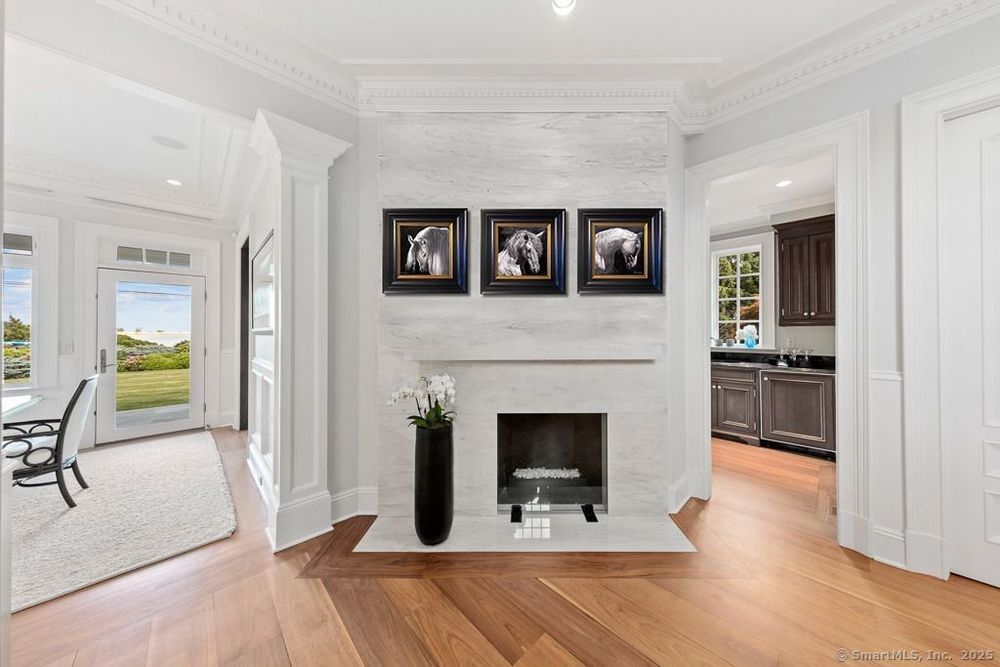
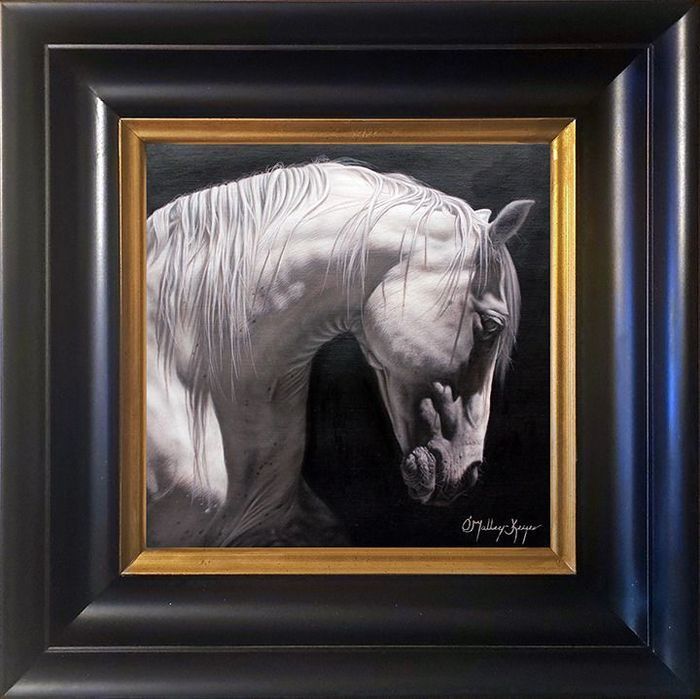
White Thoroughbreds arrive like living sculptures, their coats catching light with a pearly glow that seems almost porcelain. The hair is fine and gleaming, revealing the anatomy beneath the long, elegant neck, the precise line of the withers, the clean sweep of the back into powerful hindquarters. In the calm of a standstill, their legs look long and fearless; in motion, every step becomes a measured, lyrical arc. The contrast between pale coat and shadowed leg adds depth to their form, turning movement into a quiet symphony.
From shoulder to hoof, the white coat plays with light, emphasizing the horse’s architecture, the taut musculature, the ripple of tendon, the cadence of stride. Even when at rest, the animal exudes a poised readiness, as if the next heartbeat might spring into a seamless gallop. The skin sits soundly over the ribcage, the ribs breathing beneath a curtain of whiteness, while the eyes and ears carry a patient alertness that speaks of intelligence and trust. The overall impression is one of clarity and grace, a living sculpture of balance and power.
As the day shifts toward dusk, the white Thoroughbred takes on a softer radiance, the coat turning from bright marble to a moonlit cream. The horse stands with a dignified serenity, yet the memory of speed lingers in the line of the neck and the tilt of the head. There is beauty not only in sunlit perfection but in the tension between calm and potential—the promise of velocity tempered by loyalty and calm focus. In a field, arena, or quiet stall, this is a creature whose presence elevates the ordinary into something almost ceremonial.