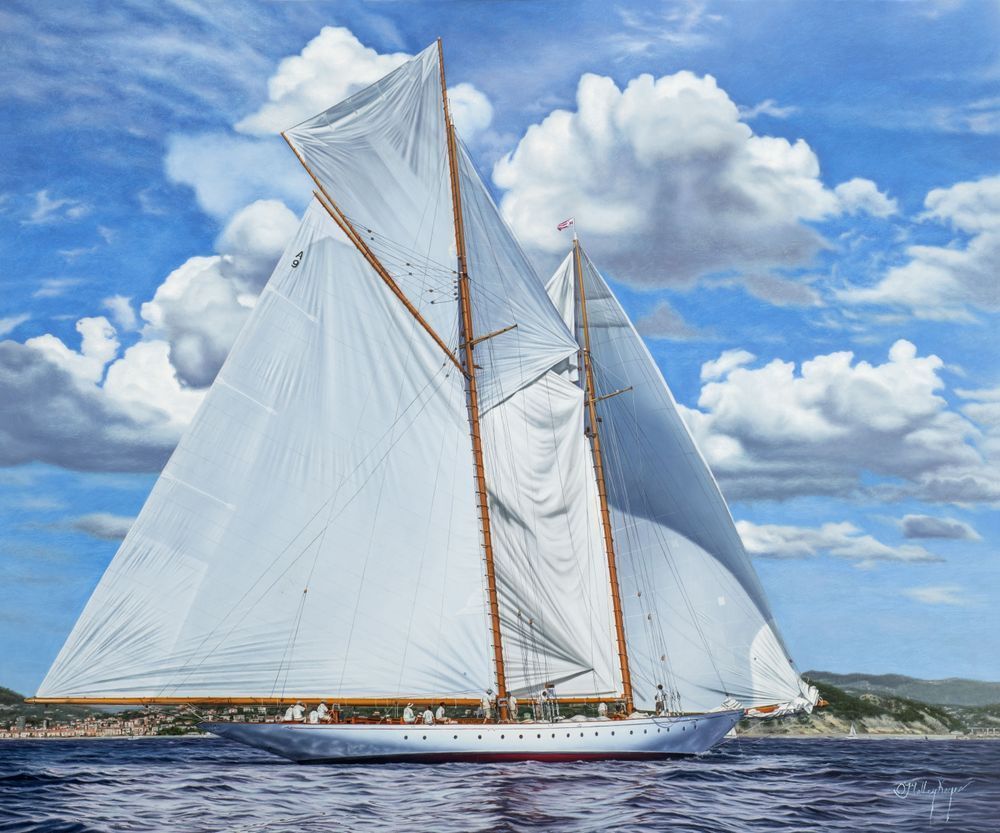
At the dawn of the 1900s, the world witnessed a remarkable evolution in maritime design, leading to the creation of classic sailing yachts that would become symbols of elegance and craftsmanship. These vessels were not merely boats; they were works of art, meticulously crafted by skilled shipwrights who poured their hearts into every detail. The combination of fine wood, intricate rigging, and graceful lines resulted in yachts that were not only beautiful but also highly functional, embodying the spirit of adventure and exploration that defined the era.
During this period, advancements in design and materials played a pivotal role in the construction of classic sailing yachts. The use of high-quality woods, such as mahogany and teak, ensured durability and aesthetic appeal, while the introduction of new techniques in hull design improved speed and stability. The classic yacht's elegant lines, often characterized by a long keel and a pronounced bow, reflected both beauty and performance. Sailmakers, too, contributed to this renaissance, crafting sails that were not only efficient but also visually striking, often adorned with bold colors and intricate patterns.
Classic sailing yachts of the early 1900s were more than just vessels; they were a reflection of wealth, status, and a luxurious lifestyle. The elite class sought these yachts not only for their sailing capabilities but also as symbols of prestige. Owners often personalized their yachts with lavish interiors, featuring fine furnishings, polished woodwork, and exquisite detailing. These yachts became venues for social gatherings, where the affluent could indulge in leisure and camaraderie while sailing across the open seas, embracing the freedom that only a classic yacht could provide.
Today, classic sailing yachts from the early 1900s continue to inspire awe and admiration. Many have been lovingly restored to their former glory, serving as a testament to the timeless beauty and craftsmanship of that era.